South Africa’s smaller civil contractors have long been part of public infrastructure work, and their numbers keep growing. What has changed is the range of work a two-machine business can now compete for: municipal tenders split into smaller packages, phased housing developments that are suited to smaller teams, utility and community projects, and subcontracting on larger contracts.
That wider mix of work asks more of a small fleet than a single type of job ever did, and it’s changing the relationship between a construction equipment supplier and the businesses it serves.
The Work Is Diversifying and Fleets Need to Follow
Take a contractor who initially purchased their first excavator three years ago for a site clearance project. They may now also qualify for utility installations, smaller municipal repairs, and community infrastructure jobs they weren’t pricing before. The work has diversified, and the fleet has to stretch further to cover it.
That gap, between what businesses are hired to do and what’s sitting in the yard, is a quiet risk behind a lot of growth opportunities. The machines weren’t bad purchases. A well-chosen machine keeps earning for years across various kinds of work. The question is what should work alongside it, whether that’s an attachment or a second machine type. And a construction equipment supplier that only shows up once a contractor already knows what they need is missing the more useful conversation.
One Machine Type Rarely Covers the Work Coming In
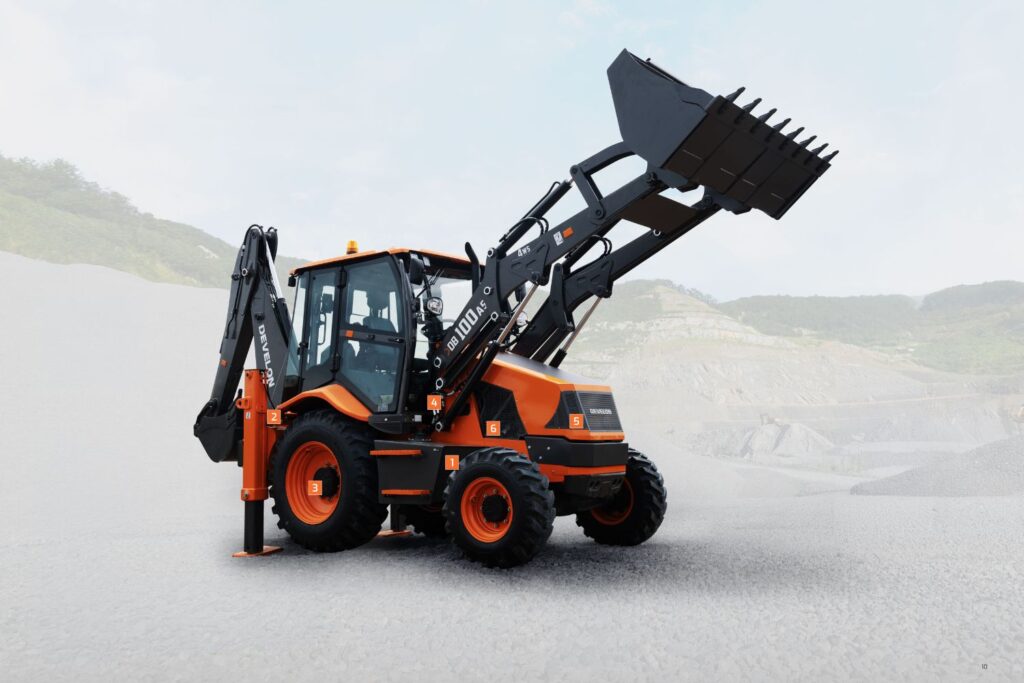
This is why the TLB has been the first machine for so many South African contractors for decades, and why compact excavators are increasingly working alongside it. The work coming in isn’t one kind of job anymore, so machines must cover more than one.
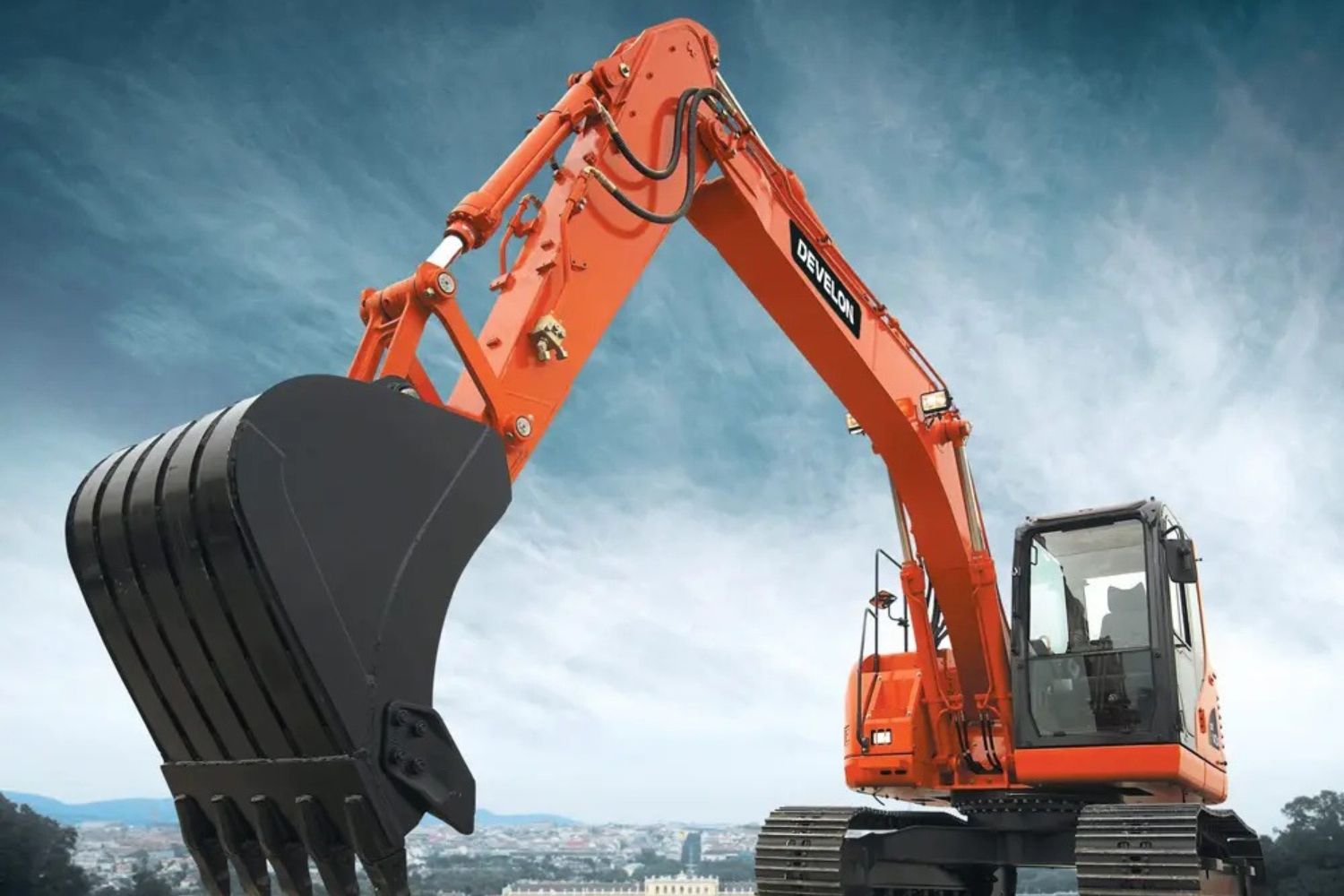
A contractor could be trenching for a utility upgrade one week, clearing a small site the next, and then picking up backhoe work on another municipal repair job after that. It covers loading, digging and trenching from one machine and can drive itself between nearby sites. Compact excavators, like the Develon DX80R, handle the tighter, more controlled jobs on built-up sites that bigger machines can’t reach.
Neither machine locks a growing business into one kind of job, . Wwith shifting project pipelines, it becomes a strength. Any Cconstruction equipment supplier worth working with should be helping contractors see that pattern before it becomes a problem.
Buying Ahead of the Work You Don’t Have Yet Is a Risk
It’s tempting to buy machines for the tender you’re hoping to win rather than the work you’ve already secured. That is exactly how cash flow becomes strained.
When a machine is purchased ahead of project confirmation, it still requires financing, fuel, maintenance, and an operator – regardless of whether the job comes through or not. Tenders often ask to show access to plant before award, but access doesn’t have to mean ownership: a hire agreement can cover that until the work is confirmed.
A growing business won’t necessarily fail because the wrong machine was purchased. They usually start to struggle because the right machine was added to the yard, but for the wrong point in their growth. This is where a smaller, more flexible piece of equipment could’ve covered just as well while the business built up to bigger projects. A versatile machine also carries less risk, because it can be hired out between contracts.
What a Machine Assumes About the Operator
Decisions around equipment don’t stop with the machine. It extends to who will be operating it.
Every operator needs to be trained and declared competent on the machine they run, but trained TLB and compact excavator operators are widely available in South Africa, and these machines are straightforward for smaller teams to maintain. When specialised equipment is added too early, or the only person who can operate it is tied up in another job, it can quietly become a bottleneck instead of the advantage it was intended for. For a two- or three-person team, a machine standing because its operator is elsewhere, isn’t a minor inconvenience. It can stall an entire contract, and it’s the kind of cost that doesn’t show up on the machine’s price tag.
Match Equipment to Where the Opportunities Are
A municipal tender rewards contractors who can quickly mobilise without overcommitting. Subcontracting on projects often calls for specific but non-extensive capabilities, a business should be able to do part of a bigger job well rather than everything at once. Rental works in both directions: hiring in lets you test unfamiliar work types before buying into them outright, and hiring out a TLB or compact excavator with an operator to larger contractors keeps a machine earning between your own projects.
None of this means you need to invest in a larger fleet. It calls for the fleet you already have to be deliberately matched to where the actual work is. Contractors browsing for construction equipment for sale with this kind of opportunity mapping in mind tend to make sharper decisions than those buying on instinct or urgency.
For a much closer look at how machine size should follow the work at hand rather than the other way round, DISA’s guide to buying loaders works through the same logic from a different machine class.
Frequently Asked Questions
Should growing contractors rent or buy equipment?
Rent when testing work types you’re unfamiliar with, and purchase a machine once it earns its cost across regular jobs. A mix of both is sensible for most growing contractors, and a machine you own can also earn by being hired out between jobs.
When is a TLB or compact excavator not enough?
As soon as digging depth, load capacity or cycle times routinely fall short on incoming jobs. When the daily workload outgrows a machine, that’s your tell.
What kind of work do municipal subcontractors typically win?
It depends on the package, but municipal contractor packages are generally scoped narrowly, one part of a bigger project like trenching, backfilling, pipe laying, kerbing or stormwater repairs.
Choose Equipment for the Business You’re Becoming
The contractors who are consistently picking up more work right now aren’t necessarily the ones with the biggest and fullest yards. They’ve chosen equipment that matches the work they’re actually hired to do, and the work they can realistically expect over the machine’s working life.
That’s a different kind of planning than just buying more. Construction equipment suppliers that understand this shift can help a growing business choose machines that are suited to where their opportunities genuinely sit, rather than where a competitor happens to be.