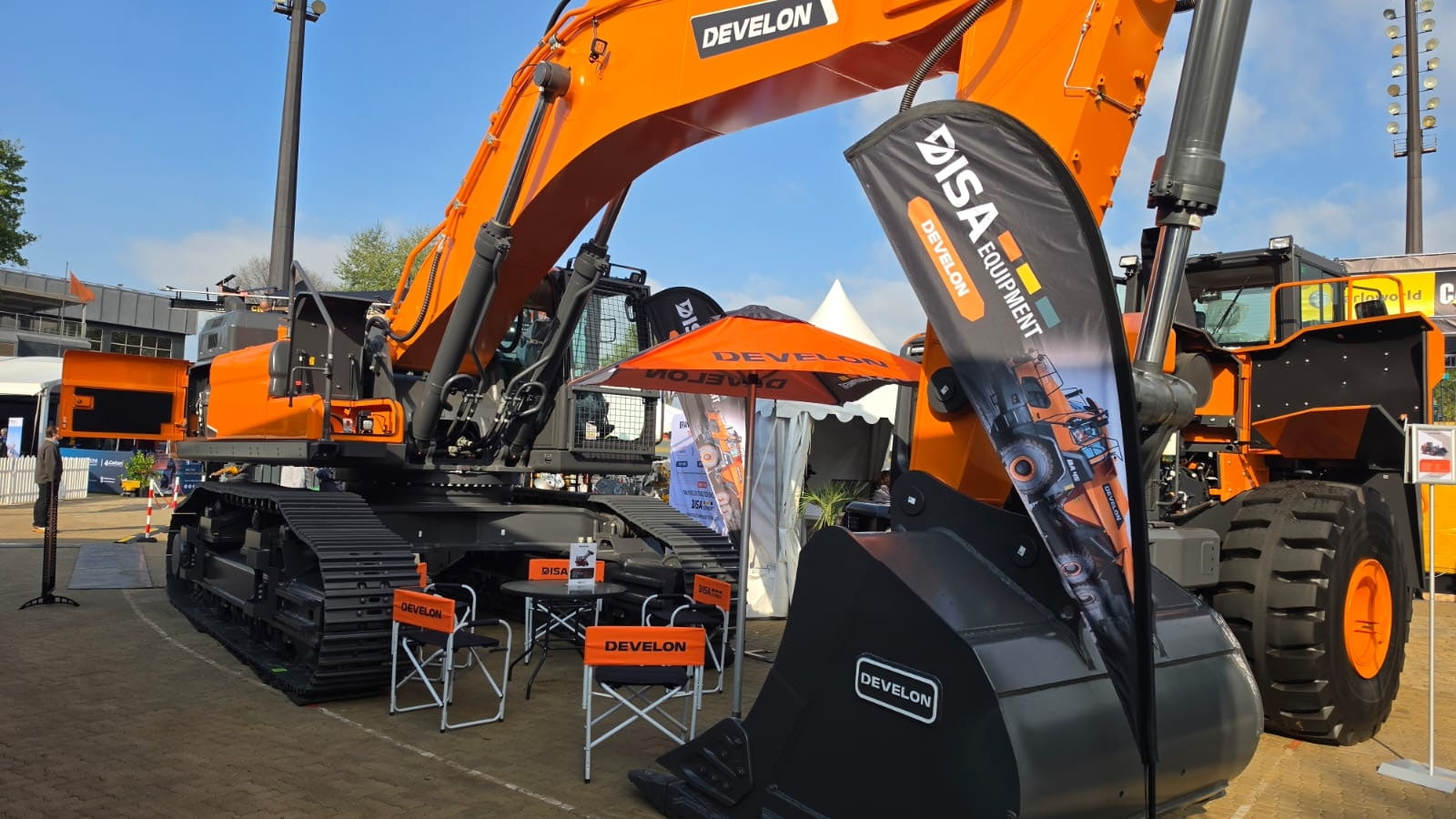
Maintaining water infrastructure depends on more than pipes, reservoirs, dams and drainage systems. Before any of these systems can function, the groundworks need to be planned, prepared, and completed with the best-suited machinery for the site conditions.
From pipeline trenching and sewer upgrades to stormwater channels, dam maintenance and irrigation projects, there’s no one-size-fits-all approach. Each project stage places different demands on equipment. Whether the project requires controlled excavation, material loading, hauling, access preparation, or final reinstatement – the machine choice impacts how each stage progresses.
Understanding machine application becomes part of the decision. DISA’s earthmoving machines are built for demanding site work, but their value depends on matching the right machine to the project phase. By understanding both machine capabilities and site requirements, DISA helps contractors, municipalities and project teams choose equipment that supports water infrastructure work from the first cut into the ground to the final clean-up.
Water Projects Start with Access and Site Preparation
Before trenching, reservoir work or dam maintenance can begin, the site needs to be made workable. Access routes may need to be cleared, uneven ground may need to be shaped, and working areas must be prepared so people, machines and materials can move safely through the project area.
This first stage looks different from one water project to the next.
For example, a contractor working on a rural pipeline route may need to prepare access roads and working platforms before the trench line can even be reached. If access is underprepared or poorly matched to the site conditions, delays can affect the entire project sequence.
This is where equipment matching becomes important:
- Dozers and graders are typically used for the initial clearing and rough shaping of access routes and working platforms, levelling uneven ground before other machines move in.
- Loaders can help clear and move soil, gravel and other site materials, keeping preparation work efficient. can then help move soil, gravel and other site materials into place, keeping preparation work efficient.
- ADTs are useful when heavier loads need to be moved across rough or uneven terrain, especially on rural, mining or large civil sites.
- Excavators support digging, shaping and controlled excavation where access preparation connects directly to trenching, drainage or earthworks.
When the right machine is used at the preparation stage, the project starts with a stronger foundation. Access is easier, material movement is more controlled, and the team is better positioned to move into the main water infrastructure work without unnecessary delays.
Trenching and Excavation for Pipelines, Sewers, and Stormwater
Trenching is one of the most important stages of many water infrastructure projects. Whether the work involves installing a new pipeline, upgrading a sewer line, or shaping a stormwater channel, the excavation needs to be controlled, consistent and suited to the site conditions.
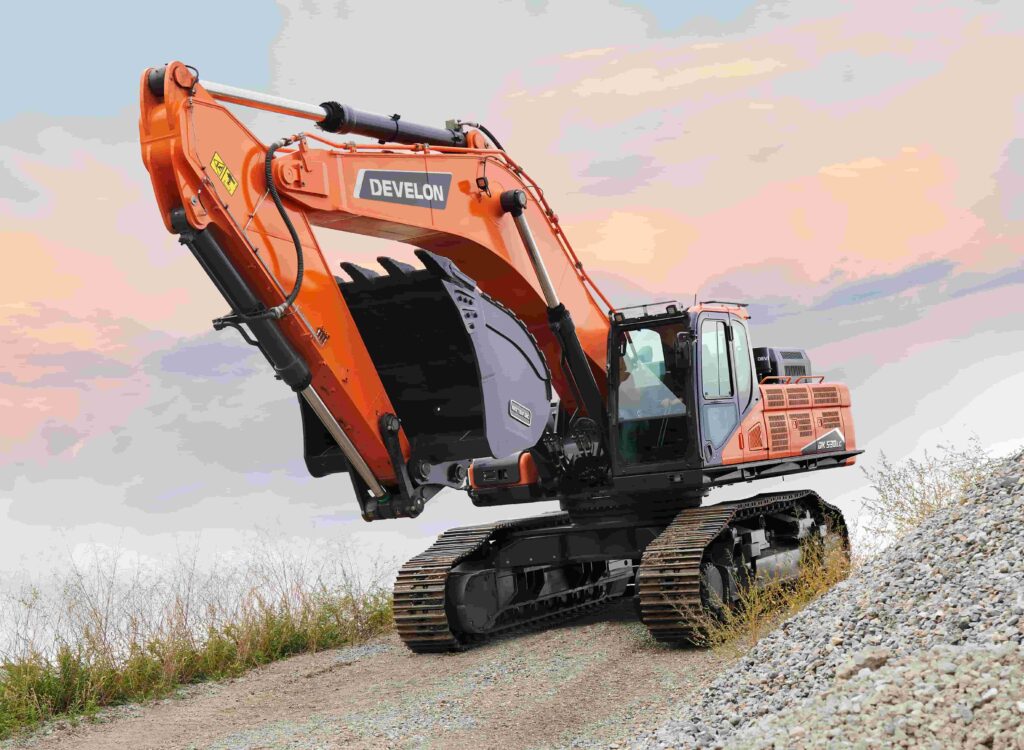
Excavators are often the core machines for this type of work because they support accurate digging, reach and material handling around trench lines. But machine selection depends on more than the need to dig. Trench depth, width, soil conditions, working space and the presence of existing services all influence what equipment is suitable for the job.
For example, an urban sewer upgrade may require excavation close to roads, buildings, underground utilities and public access areas. In that environment, the machine needs to support more controlled digging and careful material placement than a project taking place on an open pipeline route. A rural stormwater or irrigation project may allow more space, but ground conditions, haul distance and access can create different equipment demands.
Groundwater is another factor that can’t be ignored. Pipeline and sewer trenches often intersect the water table or run wet during the rainy season, so dewatering, pumping or diverting water out of the excavation, is frequently needed to keep the trench stable and safe to work in before backfilling can begin.
A machine should help teams excavate more efficiently while reducing unnecessary rework.
Reservoirs, Dams, and Bulk Earthworks Need Capacity and Control
Not every water infrastructure project follows a narrow trench line. Reservoir preparation, dam maintenance, retention ponds, embankment work and larger drainage areas require broader earthworks where material must be excavated, moved, shaped and stabilised across a bigger working area.
These projects require the right balance between capacity and control. Larger machines may need to move higher material volumes, but the final result still depends on accurate shaping, stable work areas and safe movement around the site. Bigger isn’t better if machines can’t work effectively within the environment.
This is where earthmoving equipment has an important role in preparing and maintaining the project environment.
A reservoir preparation project may need a combination of excavation, loading and controlled shaping to prepare the site properly. The machine selection should consider the volume of material, haul distance, ground conditions, working area and how long the equipment will need to remain productive on site.
The right machine combination helps keep bulk earthworks efficient without sacrificing control.
Keeping Material Moving Without Disrupting the Site
Excavation is only one part of the work. The soil, bedding material going into the trench, and backfill needed for reinstatement all have to be moved at the right time and placed where the team can use them.
This is especially important on municipal sewer or stormwater upgrades, where work may take place alongside roads, homes, existing services or public access areas. If spoil is poorly placed, loaders can’t move efficiently, trucks struggle to access the work area, and teams end up handling the same material more than once.
Loaders, dump trucks and support machines help keep the site organised by clearing spoil, moving usable material and bringing in aggregate or backfill when needed. The goal is to keep the project flowing with as little disruption as possible around the work area.
Compaction matters just as much as placement. Backfill that isn’t properly compacted in layers can settle over time, leading to pipe misalignment, trench collapse or surface failure on the road or ground above it. Attachments such as Everdigm compactor plates are often used alongside excavators to consolidate bedding and backfill material before a trench or working area is reinstated.
Attachments and Specialist Tools for Hard Ground, Repairs, and Upgrades
Not every water infrastructure task is standard excavation. Sewer repairs, culvert upgrades, stormwater channels and road crossings may involve hard ground, old concrete, damaged structures or compacted material that needs to be broken out before the main work can continue.
This is where attachments can extend the value of the machine. An attachment such as the Everdigm EHB30-BA or Everdigm EHB50-BA can support breaking work in demanding repair or upgrade environments without requiring a completely separate machine for every task.
The important point is matching the attachment to the machine, material and working conditions.
Choose Equipment That Supports the Full Project
Water infrastructure work doesn’t end once a trench is dug or material is moved. Backfilling, shaping, clearing and final site preparation all form part of the project outcome, especially when work takes place near roads, communities, farms or municipal assets.
This is why equipment decisions should be made with the full project in mind. Loaders, excavators and support machines must be able to help teams prepare the site, complete the main works and leave the area safe, accessible and ready for use again.
The right machines help teams start well, keep work moving and finish the job properly.