Choosing the right wheel loader for a construction or mining operation involves far more than comparing bucket sizes or engine power. In demanding environments where productivity, fuel efficiency, and uptime directly affect profitability, the right machine must support the loading demands, site conditions, and production pressures of the project while maintaining long-term reliability under pressure.
For many businesses operating in South Africa’s mining, quarrying, and construction sectors, wheel loaders are central to material handling and site efficiency. Whether loading haul trucks, managing stockpiles, supporting excavation workflows, or handling bulk material movement, these machines are expected to perform consistently in challenging conditions.
As a result, buyers evaluating wheel loaders for sale in South Africa are now looking beyond specifications. Operational suitability, machine durability, after-sales support, and long-term maintenance visibility have become equally important when making equipment investment decisions.
Understanding Your Site Requirements
The first step in selecting the right wheel loader is understanding the environment it will operate in. Construction sites often require flexibility and manoeuvrability, particularly where machines need to move between multiple tasks across changing terrain. Mining and quarry operations, on the other hand, place greater emphasis on structural durability, loading performance, and the ability to withstand continuous heavy-duty cycles.
This is why machine selection should always start with the application itself. Material type, hauling requirements, loading frequency, and site layout all influence what size and configuration will deliver the best operational results. Ground conditions, haul road quality, and the type of material being handled daily also influence how effectively a wheel loader performs over time.
The goal is to achieve the right balance between performance, efficiency, and operational practicality.
Choosing a Loader That Fits Your Existing Fleet
A wheel loader should complement the equipment already operating on site rather than create unnecessary delays or operational strain elsewhere on site. Before investing in a new machine, buyers should evaluate how the loader will integrate into existing workflows, material handling requirements, and hauling processes.
This includes considering factors such as bucket capacity, loading height requirements, site space limitations, and the type of material being moved. A machine that is too large for the application may increase fuel consumption and operating costs unnecessarily, while equipment that is undersized may struggle to maintain productivity under demanding workloads.
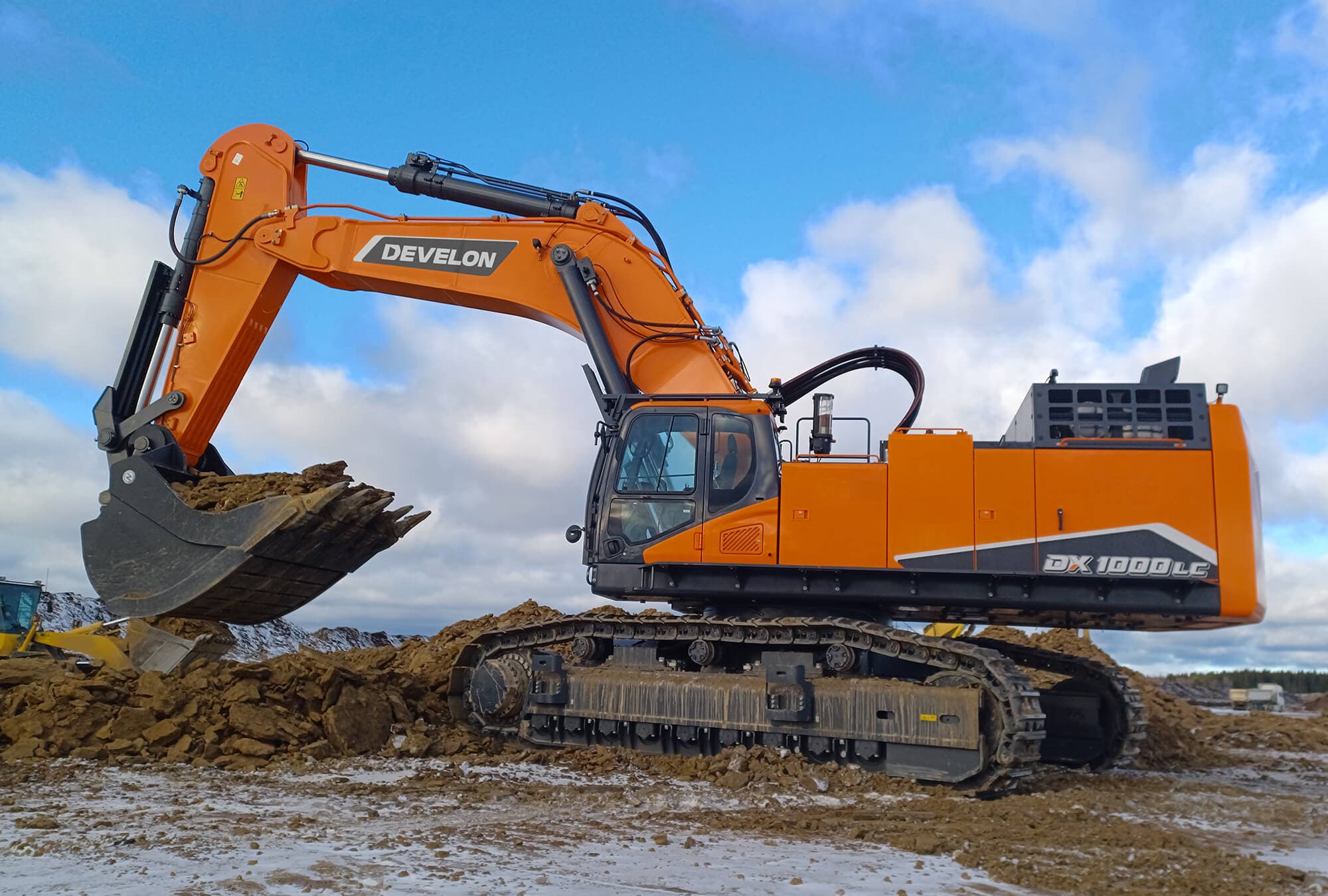
For operations managing both excavation and material handling tasks, compatibility between machines also becomes important. Equipment such as the Develon DX360LC-7B excavator is designed for demanding construction and mining applications where stability and durability support consistent performance alongside loading equipment. Choosing machines that complement one another operationally helps support smoother site management without overcomplicating fleet requirements.
What Buyers Should Evaluate Beyond Machine Specifications
While performance specifications are important, long-term ownership considerations often play an even bigger role in determining whether a loader delivers consistent value. Buyers should look beyond headline lifting capacity or engine output and evaluate how well the machine supports maintenance access, operator usability, fuel management, and ongoing servicing requirements.
In demanding industries such as mining and construction, maintenance downtime can affect productivity across an entire operation. Equipment designed with simplified servicing access, reinforced structural components, and integrated monitoring systems can help reduce maintenance interruptions while supporting more efficient long-term equipment management.
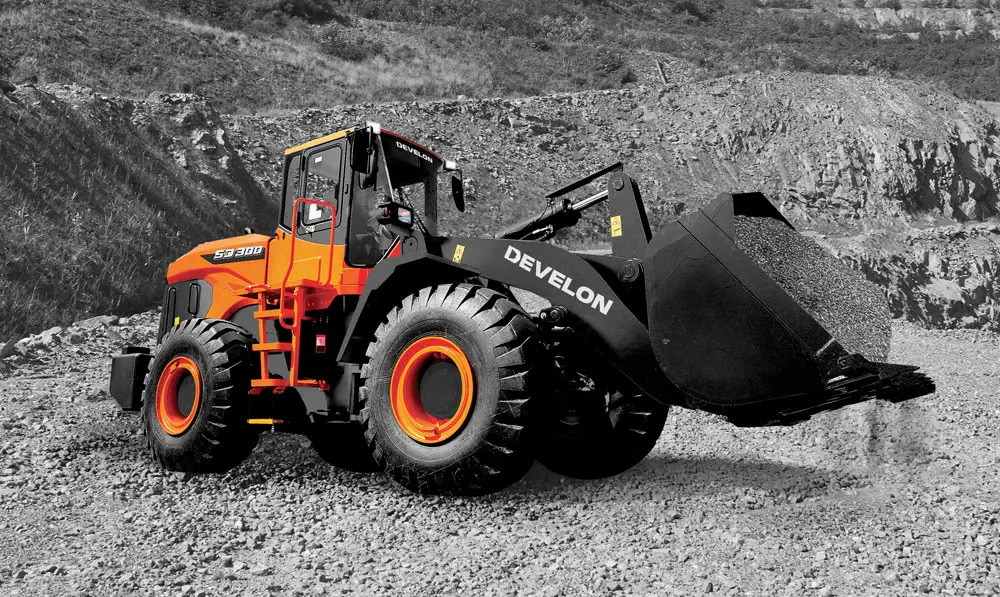
The Develon DL320A-7M is engineered for demanding applications where load capability, structural durability, and maintenance visibility all contribute to operational reliability. Features like its upgraded digging performance, reinforced frame components, and machine monitoring integration help operators maintain productivity while supporting more proactive maintenance planning.
When evaluating a wheel loader investment, buyers should consider:
- Long-term servicing requirements
- Local parts availability
- Ease of maintenance access
- Operator visibility and comfort
- Technical support availability
Over time, these practical ownership factors have a greater impact on operational value than headline machine specifications alone.
Using Machine Data to Support Long-Term Equipment Management
Rather than focusing only on productivity improvements, many fleet managers now rely on machine monitoring systems to support maintenance planning, servicing schedules, and operational oversight across multiple sites.
Systems like My DEVELON provide access to operational information, including fuel consumption trends, maintenance intervals, machine alerts, and equipment activity data. This level of visibility allows businesses to identify potential maintenance requirements earlier and make more informed decisions around servicing and machine usage.
For companies operating across remote or demanding job sites, access to accurate equipment information can support better long-term fleet management while reducing unexpected downtime and maintenance disruptions.
Why After-Sales Support Should Never Be Overlooked
One of the most overlooked aspects of purchasing heavy equipment is the long-term value of reliable after-sales support. While machine performance is critical, access to technical support, replacement parts, and servicing infrastructure determines how effectively equipment performs over time.
Buyers should evaluate the supplier’s ability to provide ongoing support throughout the equipment lifecycle. It’s particularly important for operations working in remote areas, where delayed servicing or parts shortages can affect project timelines and site productivity. This includes considering technical expertise, service response times, parts availability, warranty support, and maintenance assistance.
For businesses investing in earth-moving machines, choosing the right equipment partner can be just as important as choosing the machine itself.
Frequently Asked Questions About Choosing the Right Loader
How do I know which loader size is right for my operation?
The right machine size depends on the type of material being handled, the loading frequency, site layout, and the equipment it will be working alongside.
How important is maintenance access when choosing heavy equipment?
Maintenance accessibility can have a major impact on downtime, servicing efficiency, and long-term operating costs. Equipment designed for easier maintenance access can help reduce service delays and support more efficient day-to-day fleet management.
Should after-sales support influence my buying decision?
Absolutely. Access to parts, technical support, and servicing can have a major impact on uptime and long-term operating costs, particularly on high-production sites where downtime affects productivity.
Choosing the Right Equipment for Long-Term Performance
Selecting the right wheel loader ultimately comes down to understanding the operational demands of the site and investing in equipment that can deliver consistent performance over the long term.
Businesses operating in mining and construction environments need equipment that delivers reliable performance day after day while remaining practical to maintain and support long-term. By taking a broader lifecycle approach to equipment selection, buyers can make more informed decisions that support both operational performance and long-term value.